



Morocco’s HoReCa market: levers for a winning industrial position
Why Morocco’s HoReCa market is strategic for industrial players, and three concrete levers to win positioning against imports.
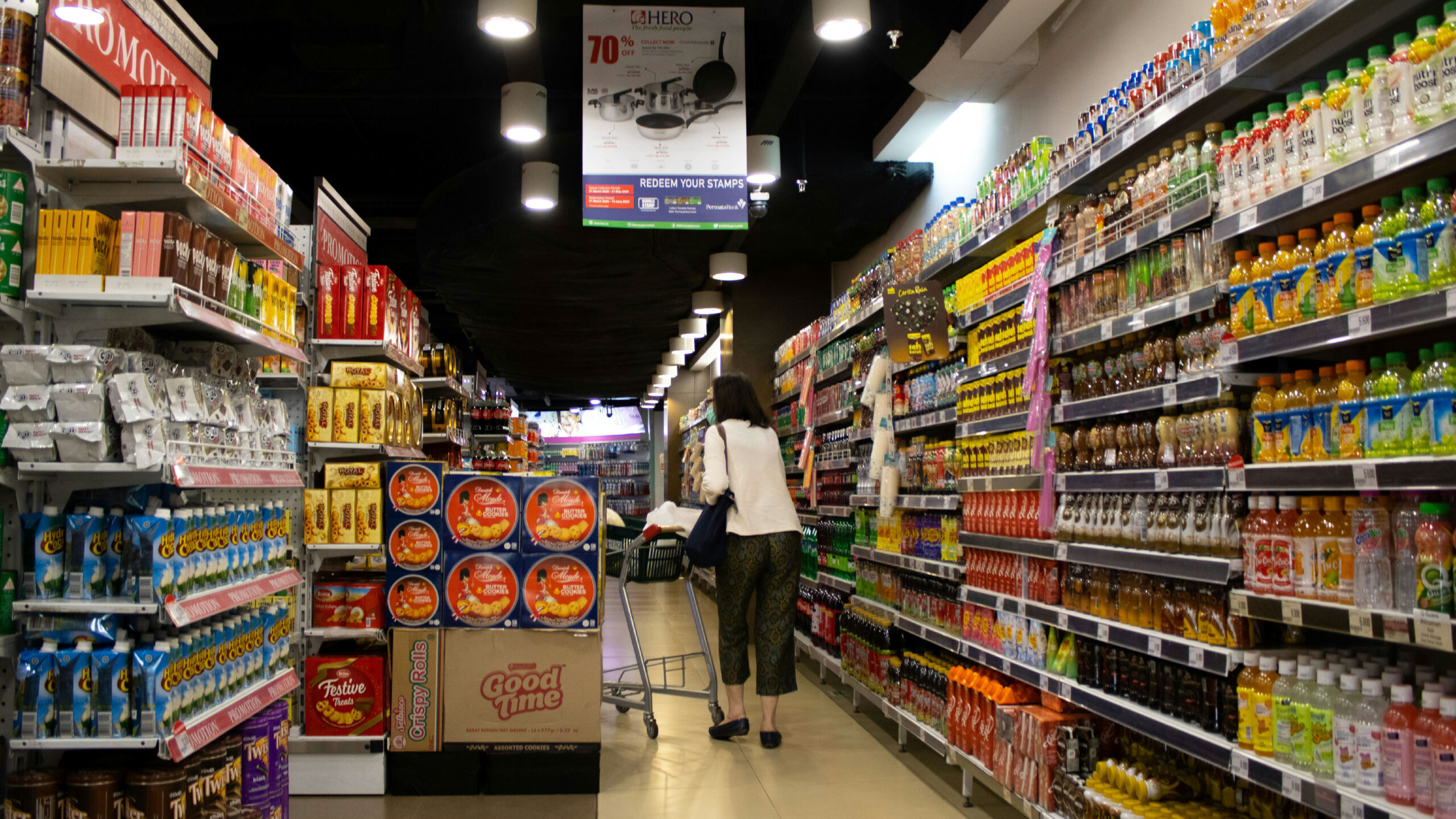
Why industrial players are (finally) eyeing Morocco’s HoReCa market
Morocco’s Hotels, Cafés and Restaurants (HoReCa, locally known as CHR) market is buzzing. Driven by the growth of tourism, the rise of fast food, the upgrading of establishments and shifting consumption patterns (snacking, delivery, food courts…), the sector has become a strategic target for many agri-food and mechanical industrial players.
But behind this dynamic lies a paradox: the HoReCa market remains heavily dependent on imports, with a fragmented, often slow and costly supply chain. For Moroccan industrial players, it is at once a threat and a major opportunity.
HoReCa: a more complex market than it looks
Selling into HoReCa is not just about supplying products to restaurants. It means understanding:
- The diversity of segments: 1-2★ hospitality, premium establishments, institutional catering, fast-food chains, and more.
- The segment-specific expectations: design, compactness, fast aftersales, modularity, and so on.
- The role of purchasing channels: specialist distributors, central buying offices, importers — close to the dynamics seen in FMCG and retail.
Effective industrial positioning therefore takes far more than a good product. It requires thinking in terms of added value, logistics agility and service-led differentiation.
Three levers to win in HoReCa
Here are the three strategic levers any industrial player should consider when entering this demanding market.
1. Capitalize on smart local production
HoReCa is highly sensitive to lead times, logistics costs and customisation capacity. Well-designed local production lets you:
- Deliver responsive service (for example, parts available within 48 hours).
- Adapt the offer to Moroccan standards or to bespoke formats.
- Compete with imports on equivalent perceived value.
2. Segment your offer finely by client typology
A 4★ hotel in Rabat, a pizzeria in Marrakech and a hospital canteen do not share the same expectations or buying constraints — a classic pricing and commercial strategy question.
- Target precise product/segment pairings.
- Adapt sales channels and messaging to each target.
- Avoid the “one-size-fits-all product” mistake.
3. Sell a “solution”, not just a “product”
HoReCa expects a partner, not a supplier. The industrial players who succeed are the ones who offer:
- Packaged solutions: equipment + maintenance + training.
- A “one-stop-shop” logic, with a coherent product range.
- On-the-ground presence (showrooms, aftersales, demonstrations…).
What’s next?
Assessing the relevance of an offer in this market, structuring a launch plan or aligning internal processes to the HoReCa model is not improvised. It calls for sharp market analysis, structuring choices and an approach grounded in field realities.
At UCOTRA Consulting, we partner with industrial players to understand, model and strategically activate their positioning across HoReCa channels — from strategic framing to deployment plan.
Key takeaways
- Morocco’s HoReCa market is structurally import-dependent — a clear opportunity for Moroccan industrial players able to position themselves.
- Smart local production (responsiveness, standards, customisation) beats imports on lead times and logistics costs.
- Fine segmentation replaces the “generic product for everyone” approach.
- Selling a complete solution (equipment + service + training) creates more value than an isolated product.
Related reading

How UCOTRA Consulting structured a three-year commercial strategy for a Moroccan chocolate and ice-cream player: diagnostic, posit...
Read →
Destination strategy, hospitality positioning and cultural ventures advisory for tourism leaders and authorities in Morocco and Af...
Read →
Brand strategy, channel design and retail operations advisory for FMCG and retail leaders in Morocco and Africa: omnichannel, mode...
Read →
Market sizing, competitive landscaping and feasibility studies — investor-grade evidence to back commercial and industrial decisio...
Read →Working on something similar?
Talk to a senior consultant about your most pressing growth, transformation or financing priority.
Start the conversation